How to Prevent Dryness From Curling Irons
Learn how to prevent dryness from curling irons using safer heat habits, proper preparation, and techniques that protect moisture while styling hair.
One of the most apparent issues that individuals observe when regular curling irons are used is the issue of dryness. I have noticed that hair appears shiny in the beginning and gradually becomes rough, dull and brittle as time progresses. This does not normally occur following a single styling. It forms over time as it is dried up by heat repetition. People believe that dryness is inevitable in case they cut their hair frequently. Actually, it is normally brought about by simple habits that are not difficult to change.
The secret of avoiding curling iron dryness is learning to preserve the moisture and looking forward to getting styled hair. Heat is used on a daily basis by professional stylists, but their hair also tends to be soft and pliable. They pay attention to preparation, moderation, and technique, as opposed to extreme heat. Dryness is highly minimized when the same habits are applied at home. This paper will detail the process of curling hair but not drying it up. The aim is the healthy and touchable curls rather than split ends.
Why Curling Irons Cause Dryness
Curling irons make the hair dry since the heat dries it with moisture. With every repetition of heat, a little water is lost. In the long run it accumulates and causes the hair to be dehydrated. The cuticle is made coarse and weaker. Dryness does not come right away but comes gradually.

I have observed that people tend to blame products to be causing dryness rather than heat habits. As a matter of fact, too frequent or too much heat is the primary cause. The professionals do not despise the heat due to the awareness of its impact on moisture. It is far easier to prevent dryness when one understands the reasons it occurs. The awareness is the initial stage of healthier styling.
Starting With Balanced Hair Moisture
Already dry hair will dry out fast when it is in hot climate. The curling irons enhance preexisting dryness. Before styling, hair must not be brittle. Lightly conditioned clean hair is the one that reacts well to heat. The balance of moisture preconditions it.
Personally, I prefer that the curls should not be too dry in the first place, and it makes them prettier and less scratchy. The professionals do not use heavy conditioning immediately before styling, but they do not want to be dry. Balance is key. Having the right amount of moisture in advance minimizes heat damages in the future. Good hair condition is a good beginning to good styling.
Avoiding Overwashing Before Curling
Repeat of washing may remove natural oils which guard hair. Freshly washed hair when used on a daily basis makes the hair drier. The natural oils are used to maintain moisture in heat styling. When they are removed too frequently they expose the hair. Excessive washing turns down protection against moisture.
I have observed that hair is more hydrating when the washing is interspersed. This is the reason why professionals tend to style second-day hair. A little natural oil prevents protection of strands. The hair does not always need to be freshly washed to do curling. Bathing infrequently helps to keep the moisture.
Choosing the Right Heat Level
A lot of heat also increases the loss of moisture. In extreme temperatures, the hair becomes drier at a faster rate. Internal moisture is conserved at the lower or moderate temperature. The amount of heat needed to form the curl should be sufficient. There is no need of excessive heat.
It has been observed that most individuals have been overheating. Lowest effective temperature is selected by the professionals. Controlled heat does as well in hair curling. Reduced temperature preserves the softness and elasticity. The ability to monitor temperature is a prerequisite to avoiding dryness.
Limiting Repeated Passes on the Same Section
Recurring heat passes dry quickly. Each pass dries hair further. And this is harming the ends especially. Repeat passes normally occur as a result of hurried sectioning or improper prep. One clean pass is healthier.
I have observed that dryness is most easily increased when individuals re-curl the same hair. The target of professionals is one intended pass in every section. This is achieved by smaller sections. Pass cutting helps to conserve moisture and enhance outcome. Efficiency is good to save hair.
Proper Sectioning for Even Heat
The presence of uneven heat distribution leads to dryness. Big parts do not warm evenly, and this requires re-doing. Smaller parts are controlled in order to have even the heat distribution. Hair is easier and quicker to curl. Even heat protects moisture.
In my case, sectioning will decrease the necessity to overheat hair. Sectioning is efficacious to professionals. The hair takes less time on the iron. The exposure is reduced, which implies reduced dryness. Segregation is a waterproofing practice.
Wrapping Technique and Moisture Protection
The wrap in hair influences the loss of moisture. The tight wrapping implies more direct heat. Curling hair leads to the unequal heating and drying. Heat is evenly distributed due to smooth gentle wrapping. Technique matters greatly.
I have observed that dry wraps end up drying out most of the time. The hair is pushed over the barrel by professionals. They do not pull or clamp brutally. Light wrapping helps in alleviating stress and dryness. Controlled technique also maintains moisture.
Timing and Early Release
It is unnecessary to leave the hair on heat too long and dry it. Hair does not require much time to become curled. Heats off less than mid-lengths. Ends are usually discharged sooner by professionals. Timing protects moisture.
Practically the curls do take shape with less timing. It is the holding of shape that hardly ever gets better. Exposure to hair is lower and this makes hair softer. Time consciousness eliminates over dryness. The shorter the time taken, the lower the loss of moisture.
Letting Hair Cool Instead of Reheating
Hair can be set by cooling without the need of extra heat. Picking up the curls too early will end up re-curling. Additional moisture is eliminated by further heating. The professionals allow curls to dry completely. Styling is a safe process which is completed by means of cooling.
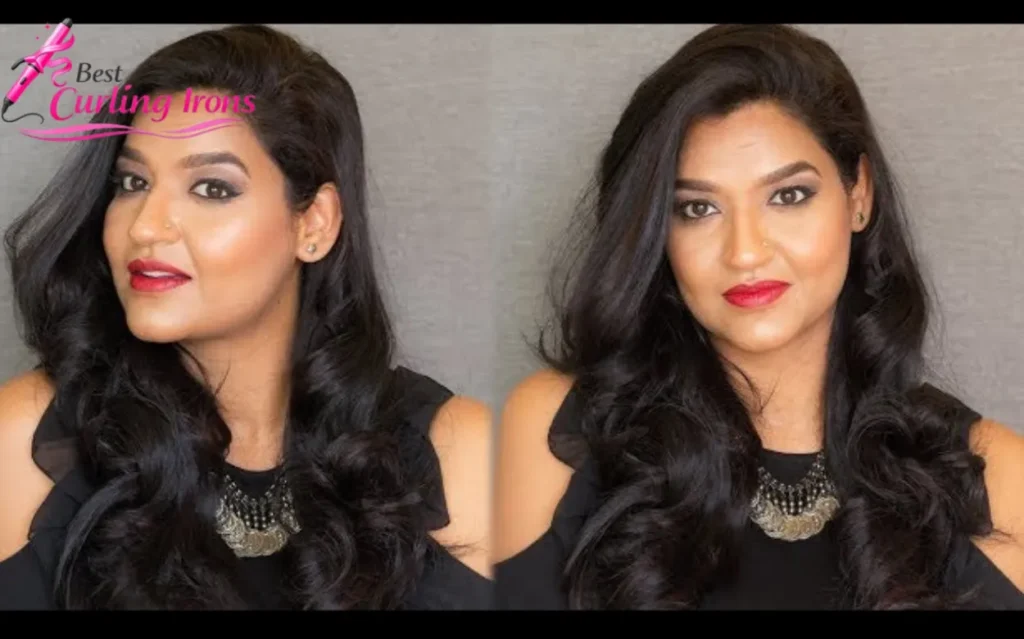
I have also observed that when people repeat their curls when they are hot, it makes them more dry. Experts have faith in the cooling stage. Hair is better and it remains lighter. When it is cooled the desire to heat up again becomes less. Bearing allows moisture to be preserved.
Using Finishing Products Carefully
There are finishing products that may enhance dryness. Hair that is sprayed with alcohol dries more. Excessive application of product coats is visible, and it makes the hair look drier. The professionals complete purposefully and sporadically. Hair is flexible due to less product.
Having little finishing used makes hair feel soft in my experience. The light support is better than rigidity of ends. Products are not supposed to dry, but increase moisture. Finishing should be done carefully in order to keep it soft.
Daily Habits That Reduce Heat Dryness
Lifestyle has an influence on the reaction of the hair to heat. Hard rubbing, tight fringe and tension aggravate dryness. The hair is handled lightly to maintain the humidity between styles. Stress damage is added to daily stress.
I have noticed that hair is softer in case they are mindful of the day-to-day care. Even when they are not doing their hair, professionals guard them. The maintenance of moisture is a daily work. Low key routines promote healthier heat styling in the long-term. Shelter does not cease when the hair has been curled.
Building a Moisture-Safe Curling Routine
Consistency is needed in terms of prevention of dryness. Experts use routines, which reduce loss of moisture. The use of heat is not done without a purpose. The healthy habits establish with every session. Regularity brings about security and stability.
Hair as I have found will respond to regular attention. With practice comes dryness which is lessened. The curling is made more fun and safer. A waterproof schedule keeps off the wet without losing on the hair. Moderation results in softness in the long run.
FAQs About How to Prevent Dryness From Curling Irons
Conclusion
It is moderation, technique and awareness to prevent the curling irons drying up. The moisture is maintained by the controlled heat, sectioning as well as soft timing. The softness is ensured by avoiding repeated passes and rough finishing. Curling is not even necessary in case of mindfulness. Minor behavior change is a big thing.
In my experience, it is often drought that follows mistakes made repeatedly and not heat itself. Hair is flexed and healthy with improved practices. Moisture is retained even when it is regularly styled. Dryness is avoided to ensure the prevention of curls and stronger hair. Stability is the secret of the long-term outcomes.