Heat Styling Myths vs Facts – Complete Guide
Discover the truth about heat styling. Learn Heat Styling Myths vs Facts, protect hair from damage, and style safely with proper tools, technique, and products.
Heat styling is a daily routine to most people, but it is surrounded by countless myths, which may bewilder the novice. I have heard things such as hair being ruined by any heat or that curls last longer when it is hot. These myths may result in fear and the wrong use, and even greater harm. In the absence of knowledge on what is true, the attempts at styling can be counterproductive and frustrating.
You can safely style your hair by learning to distinguish between myths and facts. Understanding what truly works helps prevent breakage, frizz, and dryness, even when using a curling iron regularly. With the right techniques, protective products, and tools, hair can remain strong, shiny, and healthy while still being styled often.
Fast Facts
Hair is made of keratin which may weaken when subjected to extra heat. I have observed that even occasional use of high heat styling without protection makes it dry and split. These dangers have been blown out of proportions through many myths and people avoid styling as a result.
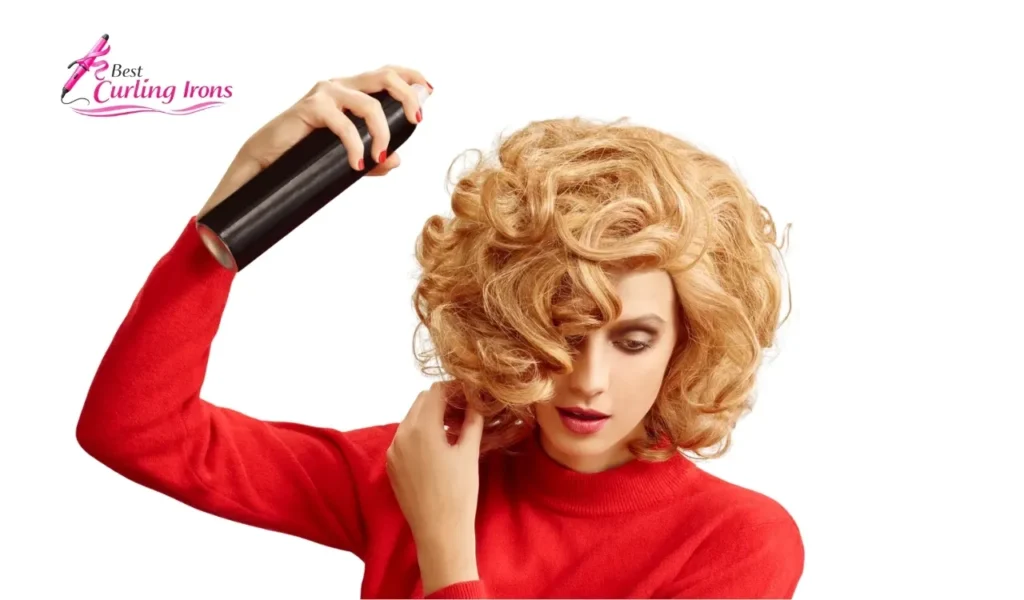
The positive aspect is that damage is played down using moderate heat, good tools and heat protective products. Knowledge of hair behavior in response to heat enables you to be a good stylist and have strands of hair straight, shiny, and strong. Consciousness is the key to an enormous improvement of hair on an everyday basis.
Myth 1: All Heat Damages Hair
There is the myth of the claim that any heat immediately burns hair. I have encountered amateurs who refuse to style at all as they are of the idea that heat is damaging all around. Such phobia may not allow one to get smooth appearances or try out new styles.
The fact is that hair can be styled in case proper precautions are observed. With the help of the right tools, moderate temperatures, and protective products, the problem of styling without long-term damage is guaranteed. Heat, which is occasionally used properly, is not dangerous and will not undermine the overall health of hair.
Fact 1: Temperature Matters
Heat damage is a result of excessive heat, rather than heat. I will never begin with high effective temperatures and then increase it unless necessary. The sensitive or broken hair requires less heat whereas hair of excellent density or coarse hair withstands high temperatures.
The correct temperature is used to prevent cuticle damage and breakage. I have observed that frizz can be avoided by just taking time to control heat depending on your type of hair, maintain moisture and make sure the curls or straight hairstyles will stay longer and healthier.
Myth 2: Heat Protectants Are Unnecessary
The idea that heat protectants are marketing gimmicks is accepted by many individuals. I used to miss them, only to realize that my hair is dry and frizzy and the hair has also broken. It is a usual misregency that causes unwarranted harm.
Protectants generate a skin-thin layer coating around the hair shaft, which excludes the loss of moisture and seals the cuticle. A lightweight spray or serum before styling would go a long way in breakage reduction, shine, and hair integrity protection, and so any claims that protective products are not needed when using heat styling are incorrect.
Fact 2: Quality Tools Reduce Damage
Tools that are cheap or of low quality usually heat unevenly and produce hot spots. I have noticed metal irons burning some of the strands whilst under-styling others. Lack of uniform heat results in split ends, frizz and breakages.
Barrels made of ceramics or tourmalines maintain a consistent and uniform distribution of heat and are less aggressive towards hair. It is always better to have a good tool that will produce reliable styling and minimize chances of breaking. Even when heat is applied frequently, then investing in the correct equipment will be helpful in keeping the hair flow smooth and shiny.
Myth 3: Daily Heat Ruins Hair
There is a popular opinion that being exposed to heat every day is bound to damage hair. Overuse of it may be detrimental but daily styling may be safe as long as precautions are taken. By employing the appropriate methods, I am able to style my hair multiple times a week without a severe loss of it.

Reduction of cumulative stress involves limiting temperature, sectioning hair and using heat protectants. Learning how your hair reacts to heat and being intelligent with your use will guarantee that styling does not affect the strength of your hair, and you will be able to enjoy curls, waves, or straight styles with impunity.
Fact 3: Hydration Is Essential
The dry hair is much more susceptible to heat. I have also realized that prior to the act of styling, moisturizing of the strands will significantly reduce frizz and breakage. Hair is made more resilient and smooth by using leave-in conditioners, masks or lightweight oils.
Moist hair can withstand styling giving you a chance to make smooth long-lasting fashions. Frequent hydration will also increase shine and breakage due to dryness. By keeping the right balance of moisture, hair is healthy despite the heat styling that is done frequently.
Myth 4: Brushing Before Heat Eliminates Frizz
There are individuals who think that when frizz occurs during heat styling, effective brushing helps in its avoidance. I have noted that rough brushing particularly when it is wet, raises cuticles and weakens hair strands and thus breaks.
It is much safer to lightly detangle with a wide-tooth comb or fingers and then do your make-up. This method cuts knots without straining the strands so that the heat tools slide. With adequate preparation, there will be no cases of puffiness and flyaways and the hair will appear slick and polished once the styling process is done.
Fact 4: Technique Matters More Than Fear
Technique is more significant than non-use of heat. I have noticed numerous amateurs use the irons too long, overwork them, or curl the same strand more than once and this is what results in the most damage.
Hair parting, moderate heat, alternating of the direction of the curl and letting the curls cool down also lessens strain on the strands. The methods provide smooth and defined styles with minimal breakage. Styling is a safe and effective process that requires smart technique.
FAQs: Heat Styling Myths vs Facts
Final Thoughts
It is important to distinguish between the myths and facts of the use of heat styling to have healthy hair. I have now understood that it is not heat that is bad, but rather bad practice, lapses and information that are wrong.
With the right tools, thermal protectors, moisturizers, smart tricks, one can ensure that hair is healthy, shiny and strong. These tips make everyone feel confident enough to sport curls, waves, or sleek hair, without damaging the hair, only to get beautiful and polished hair.