Best Habits for Healthy Heat Styling : Guide
Learn the best habits for healthy heat styling to protect hair from damage while still achieving smooth, styled results with safe routines and techniques.
Heat styling can be considered a routine aspect of the hair of many people and the harm can be accumulated with time without their realization. I have observed hair appear good on the surface and then weaker on the surface since it is subjected to heat regularly. Split ends, dryness and breakage do not occur overnight. They arise when the small habits are repeated on a daily basis. Majority of the population is not out to ruin their hair, they simply do not know what are the most vital habits. Healthy heat styling does not mean that one should not use tools at all. It has to do with the proper and regular utility of them.
The most useful habits for healthy heat styling involve learning how to keep hair flexible for as long as possible. Professional stylists work with heat daily, often using a curling iron, yet their hair remains healthy because they follow protective routines. These practices focus on preparation, moderation, and awareness, which significantly reduce damage when applied at home. You can style your hair in a healthy way without compromising its long-term condition, and this article explains the habits that make the biggest difference.
Understanding How Heat Affects Hair
Permanent fabrication of hair is temporary heat reshaping. Although it allows the styling, it also strains the hair structure. Heat causes repetitive weakness of strands unless controlled. The hair becomes dry and stiff as time goes on. Damage is a gradual process and not an instantaneous process.
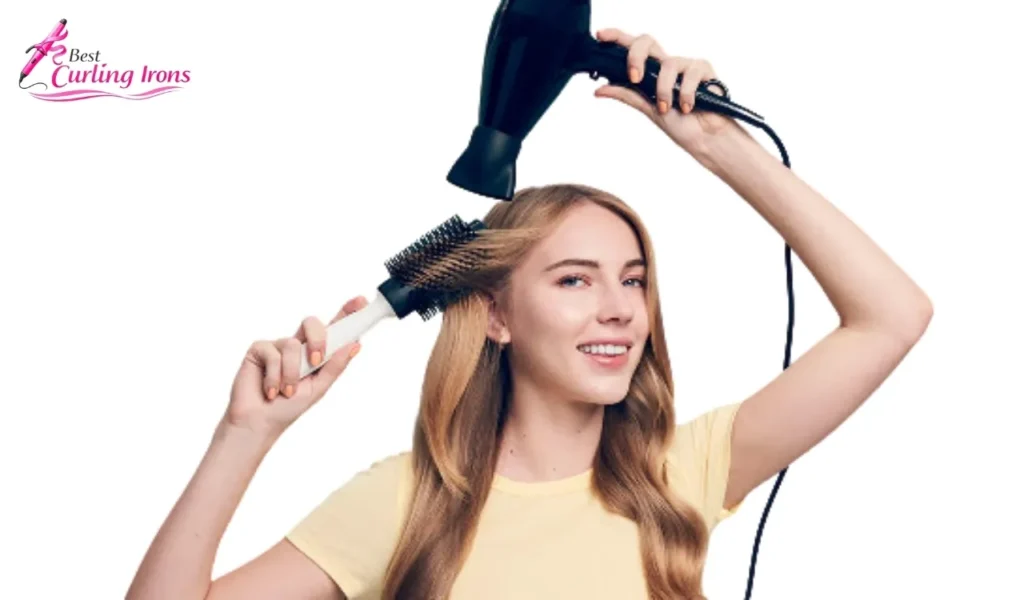
I have realized that cumulative heat damage is underestimated by people. An individual session might not appear detrimental, however, there is a cumulative effect of repetition. Heat is an effective tool that is admired by professionals. The knowledge of heat mechanisms will promote good habits. Healthy styling is based on awareness.
Starting With Fully Dry Hair
Heat is one of the worst things to apply to wet hair. When water inside the hair shaft heats up, it expands and causes internal stress and rupture. Sizzling or steaming hair is a clear warning sign of damage. Styling wet hair weakens the Cuticle, making hair more prone to breakage and long-term damage.
In my case, heat styling should not be done until all the hair is dry. Before using hot tools, professionals will ensure that they are dry. The reaction of dry hair to heat is more predictable. This practice itself will avoid great harm. One of the fundamental and fundamental rules is dryness.
Using the Lowest Effective Heat Setting
The heat does not necessarily imply improved results. Sovereign heat drives off wetness and cracks down on the strength of flexibility. Hair becomes hard and split in the long run. The minimum effective temperature will help preserve the strength of the hair.
I have observed more attractive hair styles when it is moderately hot instead of hot. Depending on the type of hair, professionals will regulate the temperature. When the hair is fine, it does not require a lot of heat as compared to thick hair. Reduced heat combined with good technique yields better results that are healthy. One of the habits is heat moderation.
Limiting How Often Heat Is Used
Even good tools have a faster rate of damage in the daily heat styling. There must be recovery between sessions of hair. Strengths of heat do not enable strands to take moisture back. When rest is not considered, breakage is more. Frequency matters greatly.
Through experience, when day of heat is cut, hair condition is enhanced significantly. Professionals frequently switch the styles in order to reduce the heat every day. It also helps to dry when in air. Frequency control will safeguard the health of hair in the long term. It is better to have balance rather than perfection.
Preparing Hair Properly Before Styling
Healthy heat styling involves a great deal of preparation. The distribution of heat in detangled hair is even. No snags and breakage with smooth sections. Preparation minimizes the number of repetitions.
I have performed better in situations where I have not been in a hurry to prepare. The care-givers do not consider prep as an additional step, but as an element of styling. Razzy hair styles are quicker and more secure to clean. Efficiency and protection are served by preparation. A single preparation will avoid numerous issues in the future.
Avoiding Repeated Passes on the Same Section
Repeat heating on the same part causes severe damage within a short period of time. With every pass another drop of water is taken away. Hair becomes dry and fragile. Rechecking is normally due to hurry or bad sectioning.
In my experience 1 clean pass in one section was the goal of the professionals. This is done through smaller sections. An excellent method decreases the desire to repeat heating. A single pass is always healthier than a series of patch-ups. Controlling helps in protecting hair.
Keeping Tools Clean and Well-Maintained
Contaminated heat instruments have an impact on hair. The accumulation of products offers an imbalance in heat. This results in hot spots which burn hair. The tools are clean and glide smoothly and evenly heat. Regular performance is supported by maintenance.
I have observed hair styles that look nice when the tools are washed. This is the reason why professionals clean tools on a regular basis. The possibility of damaging a tool will be enhanced by not maintaining the tool. Healthy heat habits are associated with clean tools. Maintenance insures hair and machinery.
Paying Attention to Hair Ends
The weakest part of a hair strand is the ends. They are older and more prone to splitting, which makes damage appear quickly when there is overheating. Extra care should be taken when styling the ends with heat, and proper Prepping helps protect them from excessive stress and breakage.
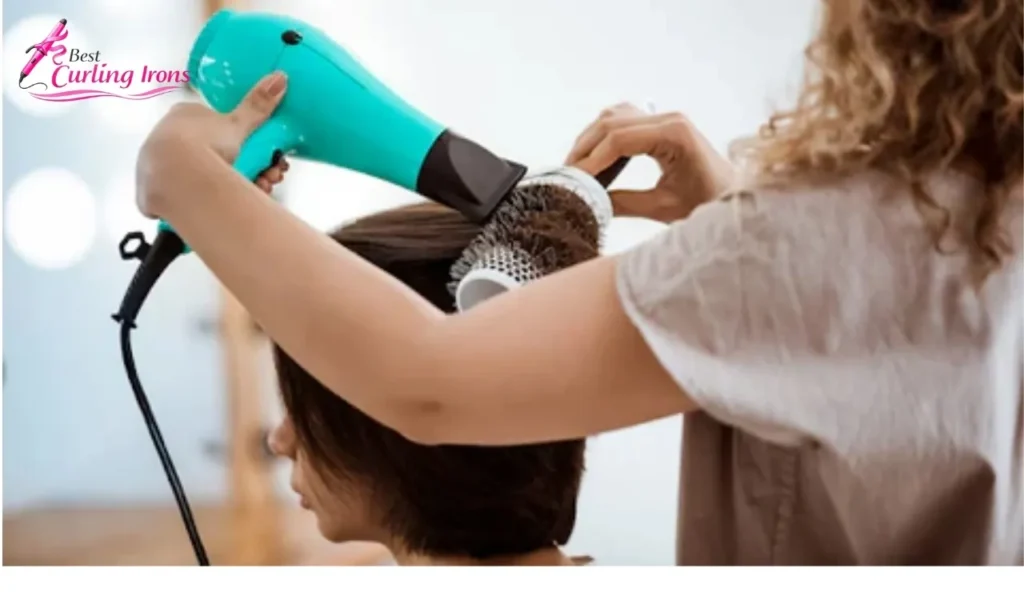
Based on practice, professionals utilize less heat at ends compared to mid length. They tend to give up ends prematurely. Covering ends helps to maintain the general look of hair. Delicate treatment in this case prolongs the hair to look healthier. Particular attention should be paid to ends.
Letting Hair Cool Before Touching
Hair bonds are then allowed to come back to the new shape with cooling. Premature touching of hair interferes with this process. This causes inferior styles and re-styling. The last process in the styling process is the cooling.
I have realized that styles take longer where the hair is left to a completely cooled state. This is a step that professionals never take in a hurry. Cooling will help to minimize the additional heat requirement. Here, patience is beneficial to hair. Healthy styling does not entail wastage of time as there is cooling.
Using Heat Styling as a Tool, Not a Fix
Hair should be molded by heat, and not be repaired by the mistakes of the past. Damage is exacerbated by use of heat to fix poor preparation or hasty technique. Professionals use planning and not directing. Heat is used intentionally.
In my case, conscious styling will minimize the exposure to heat. With an increase in technique there is a reduction in the amount of heat consumed. Reactive styling is substituted with healthy habits. Heat must be not mechanical but intentional. Such an attitude safeguards hair in the long run.
Balancing Styling With Hair Care
It is healthier to use heat styling, as well as healthy hair care practices. Wetness, oil and mild treatment help to strengthen hair. Hair cannot be kept healthy by simply styling it. Nurse and grooming should be combined.
I have also observed that hair can withstand heat well when the rest of the general care is the same. Styling habits are combined with maintenance routines by the professionals. Healthy hair is heat more responsive. Balance will help avoid accumulated damages. Fashion favors hair dressing.
Avoiding Common Heat Styling Myths
The first is the myth that high-cost tools are the ones that avoid any harm. The other is that heat damage cannot be avoided. Both ideologies result in bad habit. The use of techniques is more important than the tools. With cautiousness the damage can be avoided.
I have observed that healthy habits are usually abandoned by people because of these myths. Practitioners work with knowledge as opposed to assumptions. Decision-making is enhanced by avoidance of mythologies. Education facilitates better decisions. The knowledge of truth safeguards hair.
Building a Sustainable Heat Styling Routine
Being healthy with heat styling is a matter of uniformity and not perfection. Habits become large when done on a regular basis. Professionals come up with routine, which helps in hair longevity. Healthy habits are beneficial to hair.
In my case, habits reduce the stress of the styling process. Confidence comes as a result of knowing when and how to apply heat. Good health is a habit that is automatic. Green routine keeps the hair and time safe. Combustiveness brings about long lasting outcomes.
Conclusion
The secret behind healthy heat styling relies on education, moderation and technique. Controlled heat, proper preparation of hair and minimizing frequency help to reduce damage to a large extent. Protective hair is also ensured by clean tools and patience. Heat styling does not necessarily mean being harmful when the habits are deliberate. The hair health in long-term basis is based on daily decisions.
As I have noticed, the healthiest hair is that one that respects and is not afraid of heat. Minor changes bring about visible enhancements. Through the correct habits, it makes styling safer and more pleasant. Hair can be styled healthy and without fault. The secret to a long lasting hair strength is consistency.