How to curl hair without moisture loss
Learn how to curl hair without moisture loss by using controlled heat, proper prep, and moisture-preserving techniques for soft, healthy curls.
I noticed that when I curled my hair regularly with a curling iron, it became drier over time even though the curls looked good. The shine faded, the ends felt coarse, and the softness I once had gradually disappeared. That is when I realized the problem was not just the act of curling itself, but how moisture was being lost during repeated styling with a curling iron.
You can also curl your hair without lost moisture in case you know how heat influences the level of hydration as well as how any slight alterations in your practice can preserve the internal balance of the hair. This article describes the reason why loss of moisture occurs during curling and the methods of preventing the loss of moisture and still attain the desired, long lasting curls.
Why Moisture Loss Happens During Curling
Heat styling eliminates moisture since high temperatures make water in the hair shaft to evaporate. With repeated occurrence, the hair will become dry and less elastic. This has been observed mostly by myself when I do the same thing of curling hair without having to adjust the heat or preparation.
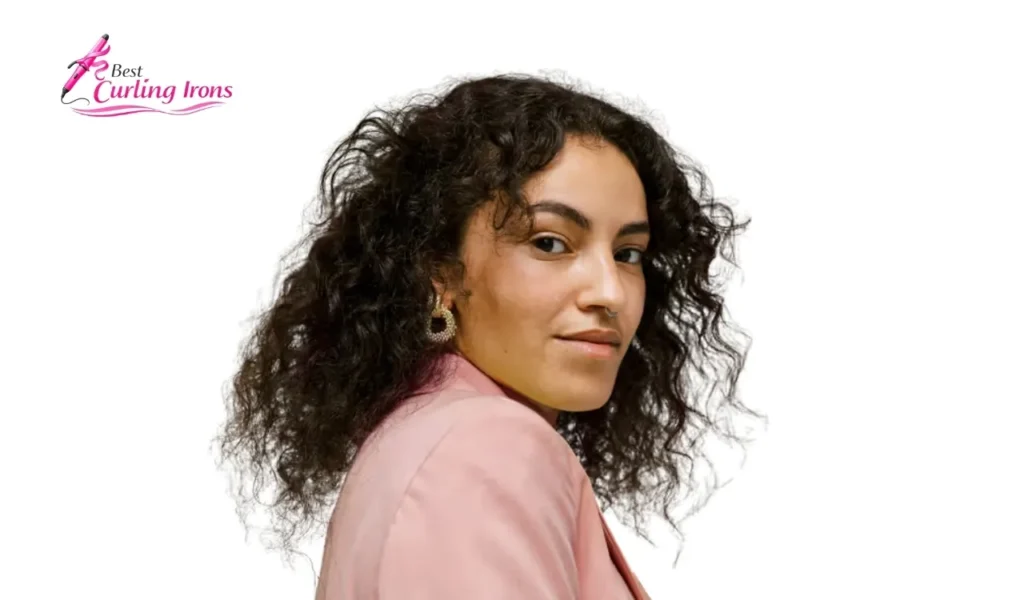
The other cause of moisture loss is cuticle damage. In response to heat stress, the cuticle is able to lift or crack, which increases the ease of escape of moisture. After the cuticle has been weakened, hair finds it hard to maintain hydration even after conditioning.
Understanding Hair Moisture and Structure
The moisture in hair does not only lie on the surface, but also includes water in the inner part of the cortex. This moisture internally enables the hair to bend, stretch, and be able to hold the style. Adequate moisture level makes the hair soft and strong.
Hair becomes inelastic and coarse when the balance is disrupted by curling irons too frequently. Loss of moisture normally begins internally, many years before hair dries to the touch and thus prevention is important at an early age.
Start With Well-Hydrated Hair
Blow drying or drying hair nearly ensures the loss of more moisture. Before heating hair, it must be already balanced. In my case, curls do prefer more when the hair is nourished without being coated.
This does not imply putting heavy products and then styling. It implies adhering to frequent conditioning programs to ensure that hair appears in the stylistic salon already moist and not easily affected by heat.
Always Curl Completely Dry Hair
One of the quickest methods to damage hair by moisture is to unkempt wet hair. When water contained in the hair warms up too fast, it will expand and weaken the inner structure. This causes coarseness and dryness in the long run.
Hair is completely dry and finds it easier to warm up and loses moisture slower and in a more regulated manner. It is important to ensure that the hair is fully dry before curling in order to preserve the inner moisture.
Use Controlled, Moderate Heat
Heat is known to result into rapid evaporation of moisture leaving hair brittle and stiff. I have come to know that “the more heat it has the more curls you have, it does not necessarily mean it will be a dryer hair and not the curls itself. Moderate temperatures that are controlled transform hair without depriving it of water.
Curling hair when it is cheaply cut holds more moisture in it. Making the most acceptable effective heat setting is quite a difference in softness and shine.
Avoid Repeated Passes Over the Same Section
Each time you pass a curling iron, you lose a little more moisture of the hair. The re-penetrations increase the loss of moisture and cuticle weakening. I have discovered that curls are much more touchable when they have been curled once and left to themselves.
When the curl is not forming perfectly it is better to leave it to cool down and re-curl it later than to re-curl it. This aids in the maintenance of hydration within the strand.
Section Size Affects Moisture Retention
Huge areas do not even heat and extra passes and time are required. Minuscule pieces may become hot within a short period. Even size of section used enables heat to be effective without too much drying up of the hair.
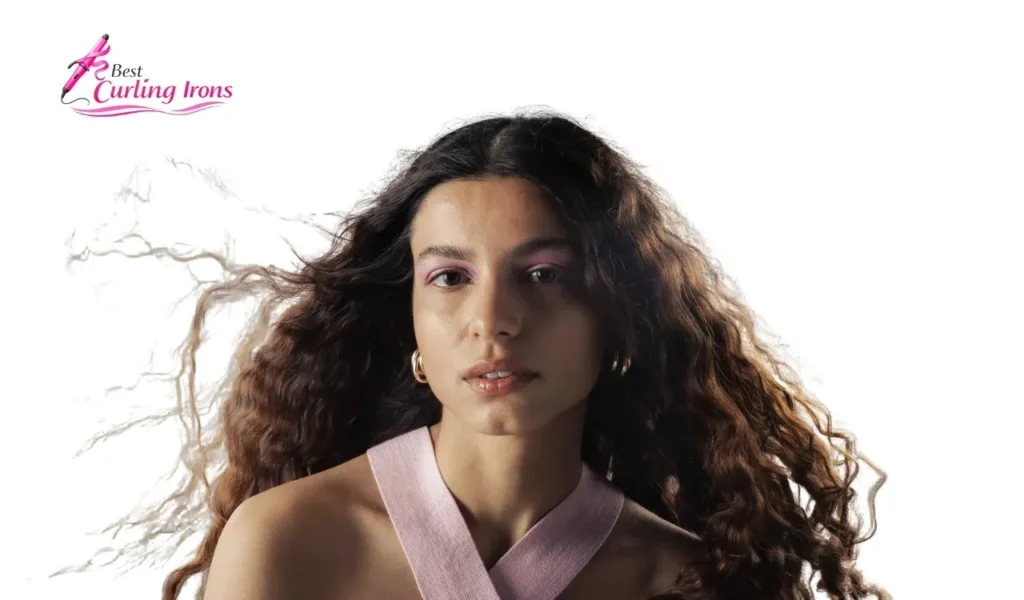
Evenly distributed heat results in curls which form more quickly and less moisture is lost. Continuous parting makes the hair look better and healthier.
Let Hair Cool Naturally After Curling
Curls can only be set with the help of cooling, which also influences moisture retention. The slower the cooling down of the hair, the nicer the cuticle will set and assist in maintaining moisture within the hair.
This process is destroyed when curls are touched when hot, thus resulting in more dryness. I would never touch or do anything with the curls unless it is completely dry.
Why Heavy Products Can Increase Dryness
Heavy styling products usually need to be heated a lot in order to set the curls. This creates an additional loss of moisture. There are also products that have alcohols that dry even more hair when mixed with heat.
I have discovered that lighter products are more suitable to keep the skin hydrated. They can help in maintaining the shape of curls without using too much heat and do not make the hair stiff.
Apply Products at the Right Time
When hot curls are applied with the products, they dry and become rigid that entraps the products. I will not apply anything lightly until the curls are completely cool.
This would ensure that curls are not rigid and the likelihood of the moisture being trapped away is lowered.
Protect Hair From Environmental Dryness
Curling can be worsened by dry air, wind, and indoor heating, all of which accelerate moisture loss. Once hair is already exposed, it becomes more vulnerable to these environmental factors, leading to increased dryness and frizz.
As much as possible, the curls should be kept out of too much friction and dryness as a means of staying hydrated. Hair that keeps moist during the night and throughout the day is more relaxed and healthy.
Space Out Curling Sessions When Possible
Cumulative moisture loss is experienced even with good technique with daily curling. The hair has to have time in between heat periods to restore its internal moisture.
As I started to alternate style and days of curling my hair was much more hydrated. Even minor pauses in the heat have a visible difference in the long run.
Maintain Moisture Outside Styling
Curling practices are not in solitude. Hair can be conditioned on a regular basis, be gently detangled and trimmed at the ends to become more useful in maintaining moisture.
Scalp health also matters. When hair habits are maintained and heat is minimized, strands that are dry and damaged can be replaced by healthy hair growth in the long run, which adds a certain degree of softness back to them.
Signs Curling Is Causing Moisture Loss
Curled hair might be deprived of moisture, especially when it becomes rough, dull or stiff. Enhanced tangling and loss of elasticity also present frequently.
Curls can cease to hold shape automatically which encourages consumption of more heat. Early detection of these signs will even avoid chronic dryness.
My Experience With Moisture-Conscious Curling
My hair remained significantly less stiff when I concentrated on the heat regulation, adequate preparation, and a reduced number of passes. Curls were also good, but did not feel dry.
This demonstrated to me that curling does not need to depilitate moisture. Considered practices give a distinct impression on the feel of hair as time goes by.
Common Myths About Curling and Moisture Loss
One myth that is propagated is that all heat will permanently dry hair. As a matter of fact, the loss of moisture is subject to the application of heat and the subsequent way the hair is treated.
The other myth is that addition of more product will always correct dryness. More often than not, less heat and technique is the solution and not heavier styling products.
FAQs : Curl Hair Without Moisture Loss
Final Thoughts
Hairstyling does not necessarily have to be at that of moisture. In my case, dryness occurs gradually when there is unchecked heat and behavioral habits are not changed. Even little changes can be very huge.
With hydration, equal heat, and kind treatment, one can have curls and still maintain the softness, flexibility and well-being of the hair. Wet set hairstyles are more attractive today and produce a healthier hair texture in the long run.