How to Minimize Breakage from Heat Styling- Guide
How to Minimize Breakage from Heat Styling. Protect strands with the right tools, heat settings, products, and techniques for healthy curls.
Heat styling creates a finished and business-like appearance on hair but it is risky. I have realized that using the curling irons, straighteners and blow-dryers after some time may make the strands weak and thus they are easily broken and get split ends. With utmost care, the hair cuticle may be damaged with time, leading to frizz and disproportional texture.
The solution to healthy hair styling is in the combination of the right tools, protection products, and intelligent habits. Having knowledge on the effects of heat on hair and adhering to preventive measures, you will be able to have styled hair and do the minimum harm to it and have healthy and strong hair strands.
Fast Facts
Keratin is a form of protein that consists of hair and is sensitive to heat. I have noticed that temperatures of over 350degF (177degC) are known to break hydrogen bonds in the hair, rendering it fragile. Opposite exposure to frequent heat causes acceleration of weakening resulting in snapping or thinning.
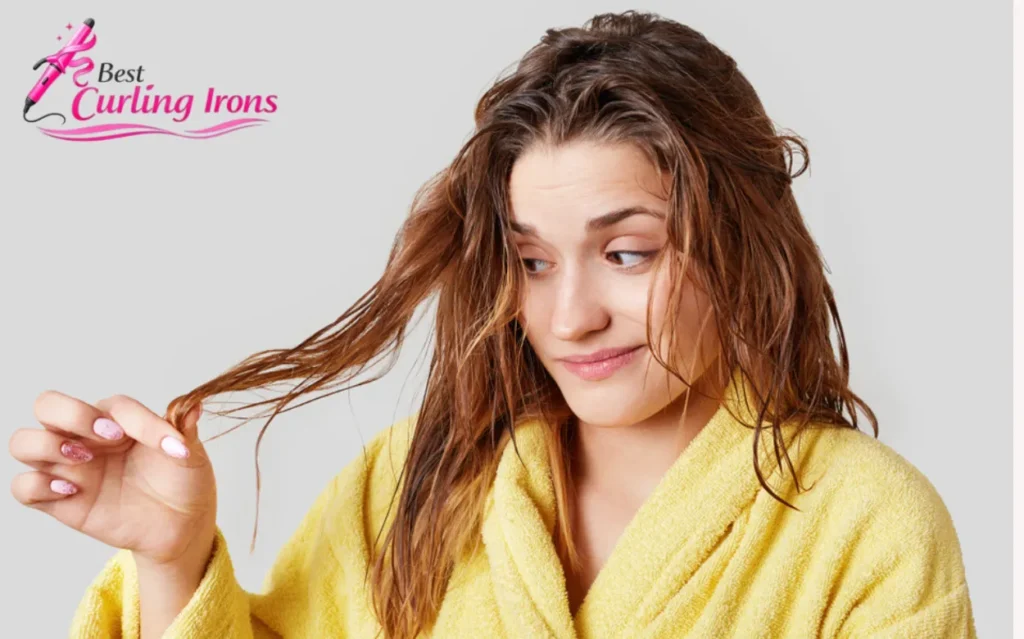
The first step in the prevention of breakage is awareness. It is possible to use heat-protectant products, select the appropriate temperature, and not have to heat it every day. Through regular maintenance, the structure of the hair is preserved, and it can be styled without suffering strength or illumination.
Start With Healthy Hair
Safe hair styling is the basis of healthy hair. And to strengthen strands, I will always deeply condition or apply a hydrating mask at minimum once per week. Hair is more prone to breakage during the styling when it is dry and brittle or over-processed.
Regular trims will also be used to remove split ends that may go up the shaft. Heat styling is not so destructive by removing some of the hair and keeping it nourished. I have observed that even simple things such as having conditioning once a week can greatly cut down on breakage and have more healthy and strong hair in the long run.
Use Heat Protectants Every Time
Any styling procedure cannot do without a heat protectant. I also apply a sprinkling spray/serum all over then apply any tool. This coating provides resistance of strands to heat directly, eliminating the loss of moisture and destruction of cuticles.
I do not miss any part and spread the product in the middle or in the extremities. The damage on the back layers can be neglected and barely noticed. Heat protectant is something that is always used to make sure that even when styling is done regularly, the effect of styling is minimal to the integrity of hair.
Choose the Right Tools
The choice of good tools could make a tremendous difference. Ceramic and tourmaline curling irons or straighteners offer uniform heat and heat distribution eliminating hot spots that cause scalding to hair. I have witnessed metal tools breaking easily due to uneven heating at low cost.
The level of temperature also counts. Damaged or fine hair needs less heat whereas thick hair can withstand more heat. I tend to begin at the lowest effective level and make changes. Appropriate choice of the tool minimizes the tension on the strands and has healthy, breakage-free hair.
Section Hair Properly
It is essential to divide hair into small and easy to handle sections. And I always curl or straighten in 1-2 inch sections so that I can be sure of even heat distribution. The bigger parts have to be re-passed, and it raises the chances of breakage.
Proper heat protectant application can also be done by sectioning. All the strands are coated and the styling is tighter. This will reduce stress on the same part and ensure that hair strands are long and strong in the long run.
Limit Heat Exposure
Breakage is mainly caused by overexposure. I do not spend more than 8-10 seconds holding a curling iron or a straightener on a single section. The surplus heat drains the hair and loosens the locks which make it strong.
I also switch between the hot tools and the non-heat techniques. Braids, rollers, and twist-outs may be used at times in order to minimize heat exposure. Switching methods will give the hair time to heal and will ensure that long term damage is inhibited even though the hair is still styled.
Maintain Hair Hydration
Wet hair is more resilient and it cannot break easily. I never leave hair to dry after washing with light leave-in conditioners or serums. Dry strands are easily broken when subjected to heat.a protective coating which covers them and minimizes the loss of moisture and damage to the cuticle.
Extra protection can be offered with oils (argan or coconut oil) which are applied to ends lightly. I do not excessively load roots and make the hair greasy and heavy. Having an appropriate balance of moisture keeps hair strong, frizz free and shiny.
Nighttime Care
The sleep pattern influences hair breakage. I normally tie my hair in a silk or satin scarf or a silk pillow case. Friction is created by cotton pillowcases and this may break the cuticle causing its breakage in the long run.
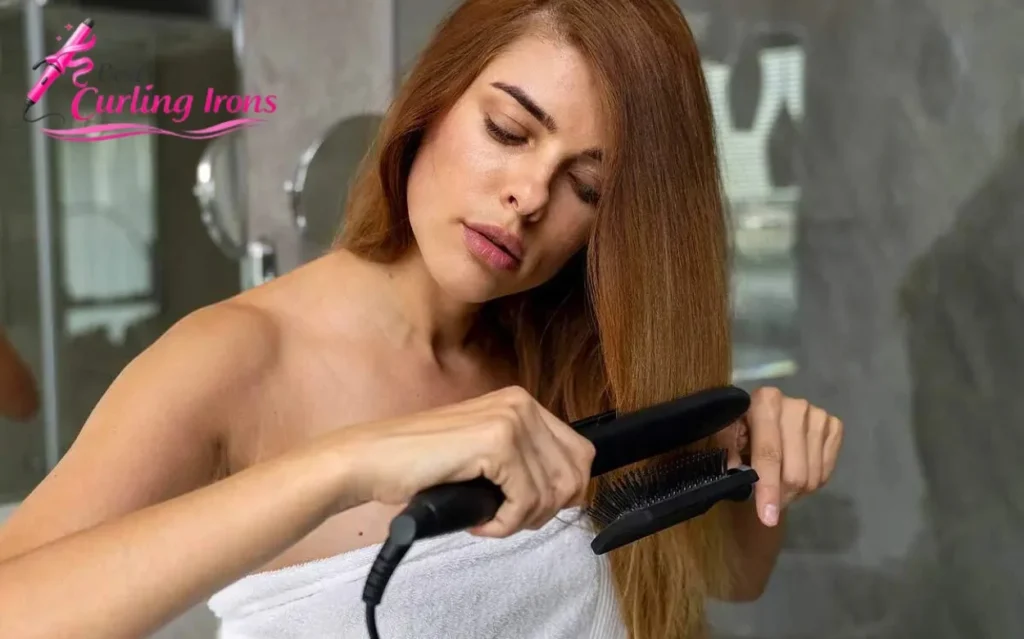
In long hair, I put it in a braid or bun in a loose manner to avoid tangling. Friction and tension at night cause hair to be in any thin or frizzy hair style and therefore, reducing it before sleep is important and sets hair ready to be styled again.
Refresh Hair Without Heat
When the curls or styles go flat, I do not overly do the touch-ups of the heat. I do spray a little water or a curl refresher, and scrunch, instead of taking up a curling iron once more. This maintains the strength of the hair and avoids heat stress re-occurrence.
Non-heat volume and bounce techniques, such as twist-outs or braids, are also some of my styling techniques. The habit is very much breakage saving but very stylish. Light refreshing does not interfere with hair strength and extends the hairstyle.
FAQs About How to Minimize Breakage from Heat Styling
Final Thoughts
Heat styling does not necessarily have to ruin your hair. I have discovered that a regular application of heat protectants, appropriate equipment, water, and conscious methods can keep my hair thick, glossy, and without the frizzes.
Breakage is also greatly minimized even in small habits like cooling curls, limiting passes, and night-time care. With these measures in place, everybody can have beautifully styled hair without loss of health or strength.